Unicorn Roots
Holistic help for the disabled community
recent posts
- Assistive Technology, Part 2
- Assistive Technology, Part 1
- Service Animals, Part 3
- Service Animals, Part 2
- Service Animals, Part 1
- The 5 Senses, Part 4
- The 5 Senses, Part 3
- The 5 Senses, Part 2
- The 5 Senses, Part 1
- Mobility Disabilities: It’s a Bit Complicated
- Chronic Pain & Its Toll on Overall Health
- Chronic Stress & Anxiety
about
Category: Uncategorized
-
Access Assistive Technology (AT) can take many forms: high-tech, low-tech, products, systems, and services. In fact, most people who use ATs regularly use more than one type, which shows just how important integration and integrative services are. More than 2.5 billion people worldwide use AT, and that number is expected to reach 3.5 billion by…
-
Definitions When I was younger, I used to wonder why none of the characters in fantasy stories and period dramas ever seemed to need glasses or wheelchairs. It seemed strange to me that disabled characters were virtually nonexistent. Of course, these stories were fiction, and I now know more about history and artistic licence. But…
-
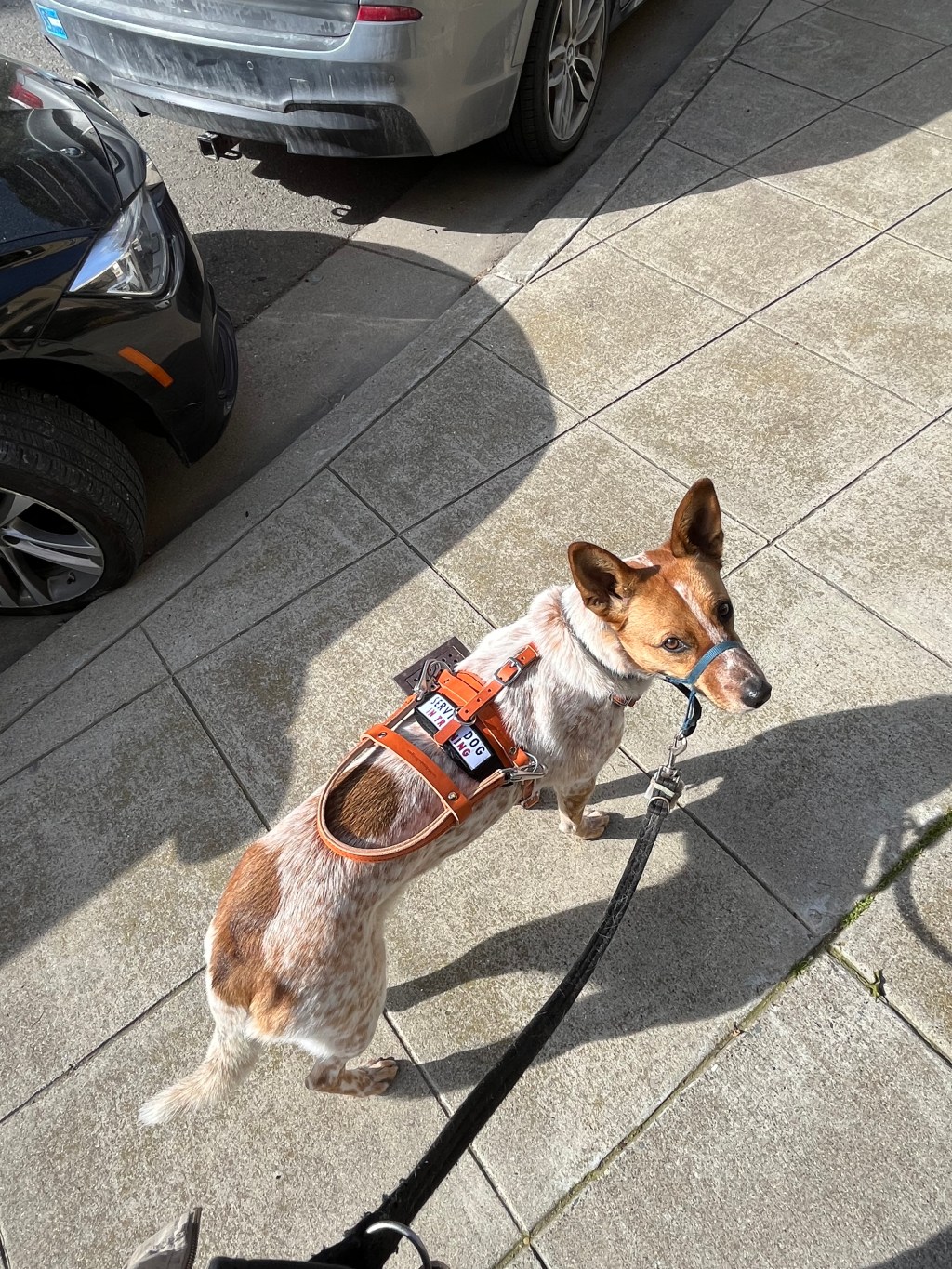
Part 3: Legallities In “Service Animals, Part 2,” I explained what a service animal was. Of course, legal definitions and legalities in general are often more complex than they appear. Generally, any establishment open to the public must allow service dogs to accompany their handlers, even where there’s a no pets policy. In the US,…
-
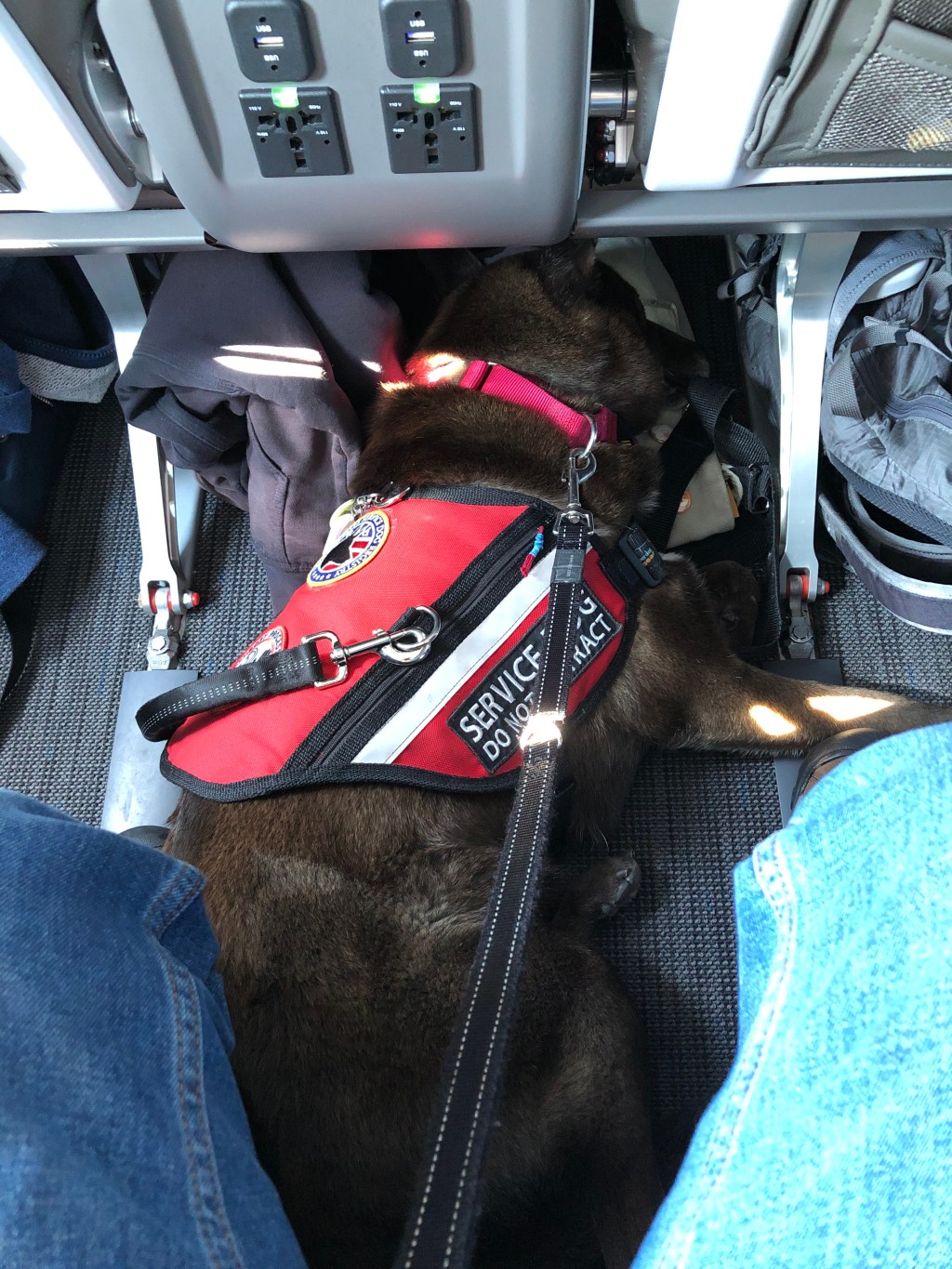
Part 2: Job Titles Dogs have been working with people for a very long time, far longer than they’ve been our pets, and with good reason. They can sense things that we just can’t. In fact, dogs have around 300 million olfactory receptors in their noses, compared to humans, who have around six million. And…
-
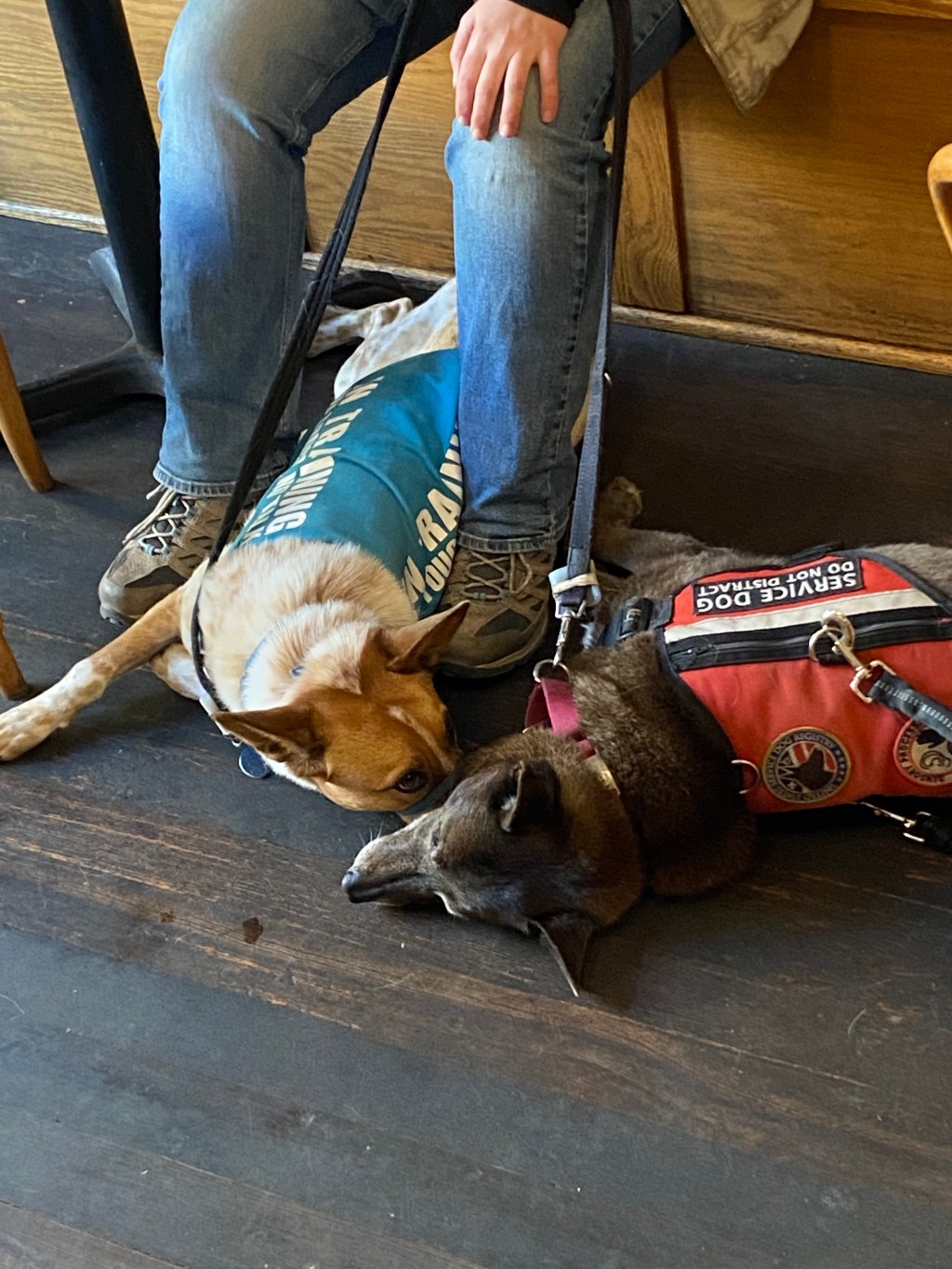
First Hand Experience Service dogs are incredible companions capable of handling a wide variety of jobs. If you’ve spent time on social media or watched the news, you’ve likely heard stories about the great work that these dogs can do. While most people are pretty familiar with guide dogs, service dogs’ abilities extend far beyond…
-
Come again? Echolalia, also known as echophrasia, is the involuntary repeating of words or phrases. It’s commonly seen in young children who are still learning to speak and in individuals on the autism spectrum. However, like most health conditions, echolalia can take several forms. The condition can be immediate or delayed, communicative or semi-communicative, mitigated…
-
Pardon the Interruption Sensory processing disorder (SPD), also known as sensory integration dysfunction, affects how individuals with the disorder interpret sensory information from any or many senses. This often makes it difficult for the individual to respond appropriately to sensory stimuli. Because of this, sounds or textures can become irritating or even painful (Khalid, 2025).…
-
It’s Complicated Starting with a popular topic these days, let’s jump right in with autism. Autism Spectrum Disorder (ASD) is a complex, lifelong developmental disorder characterized by a wide range of social, communication, and behavioral difficulties and differences. These differences affect how those of us on the spectrum interact with our surroundings and other people.…
-
But you don’t look disabled Sensory disabilities are as complicated as our senses are. Most people are familiar with deafness and blindness. However, many people are less familiar with conditions like anosmia, congenital insensitivity to pain (CIP), hypoesthesia, hyperesthesia, hyperacusis, photophobia, auditory processing disorder (APD), or sensory processing disorder (SPD). This means that an individual…
-
When most people hear the phrase “mobility disability,” the first image that comes to mind is typically someone in a wheelchair or forearm crutches. But this image only represents a small portion of people with mobility disabilities. Many people don’t consider those with temporary mobility conditions, progressive disabilities, or disabilities with fluctuating symptoms. However, this…
 Unicorn Roots