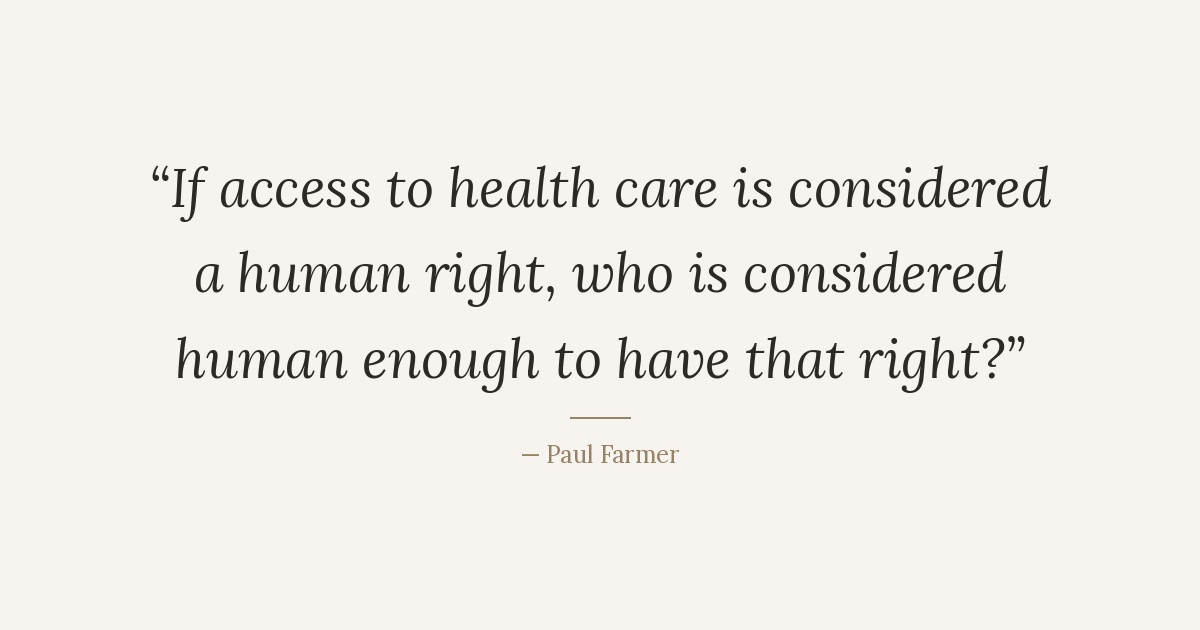
• Chronic pain is far more than a punchline about that one relative who complains about everything. Like most invisible disabilities, it’s often complicated. Chronic pain can’t always be summed up with a simple if-then-because explanation. As with chronic stress and anxiety, there are many causes, outcomes, and definitions of chronic pain. For the sake of this article, it will be helpful to remember that chronic pain and acute pain are closely related but different. Both are forms of nociception, the body’s process of pain perception (Taylor & Stanton, 2020).

    Knowing how to distinguish the differences and similarities between acute and chronic pain, the various types of chronic pain, and where they overlap can be very beneficial. Acute pain is the body’s direct response to tissue damage (including nerve damage), and it usually disappears once the tissue has been repaired. Medical professionals define acute pain as pain that lasts for less than six months. This is the body’s alarm system. Chronic pain, on the other hand, begins as acute pain and continues to affect the individual even after treatment has taken place (Taylor & Stanton, 2020).

    There are also several different types of chronic pain, all lasting for at least six months. Chronic benign pain is generally unresponsive to common treatments and varies in severity and location. A good example of this is something that about one-third of Americans experience: persistent lower back pain. Recurrent acute pain, as its name suggests, is pain that recurs as episodes of acute pain. A fairly common example of this is chronic migraines. Then there’s chronic progressive pain. This is pain that progressively worsens over time and is typically associated with degenerative disorders like cancer or arthritis (Taylor & Stanton, 2020). Again, it’s good to remember that in most medical contexts, the word “chronic” simply refers to a condition that persists for six months or more. Though for those living with it, the experience is much more than a timeframe.

    How This Affects Sufferers

    Once you understand the differences between chronic and acute pain, it’s much easier to sympathize with a chronic pain sufferer. Almost everyone who can read this can understand what prolonged pain might feel like, except those with conditions like congenital insensitivity to pain (CIP) and related conditions, of course (NORD, 2025). But I’ll save these conditions for another time.

    Chronic pain can be so persistent and overwhelming that it interferes with daily tasks. However, it’s worth remembering that acute pain is often necessary for survival. These often minor pains are the body’s way of communicating potential danger from our environment. They are the things that trigger unconscious adjustments, like rolling in our sleep or quickly pulling our hand from a hot stove. This is likely why excessive pain is the most common reason that people seek a doctor’s help(Taylor & Stanton, 2020).

    It’s also important to remember that the severity of the pain is not necessarily proportional to its cause. Because of this, allopathic medicine often treats pain as a secondary symptom with almost no coverage of it in medical training. This implied lack of importance often causes doctors to ignore or downplay the relevance of a patient’s pain, causing some patients to ignore or downplay their own symptoms, treatments, and diagnoses. This, in turn, can lead to patients spiraling into depression and anxiety. It may even cause them to use potentially unnecessary treatments just to avoid the pain that they “know” will be ignored (Taylor & Stanton, 2020).

    This doesn’t just apply to physical pain either. Psychosocial pain uses the same neurocircuitry as physical pain, meaning that stress and anxiety are directly connected to physical pain and its severity (Taylor & Stanton, 2020). For this very reason, it’s essential to view chronic pain through an integrative health lens. It’s important to include the body, mind, and social environment in chronic pain treatments.

    Because chronic pain involves the nervous system, as well as other body systems, it may help to remember how the nervous system works. The sympathetic nervous system (SNS) is the body’s automatic functions manager, monitoring things like heart rate and digestion, to name a few. This is the system that is triggered directly by stress and potential threat, activating what is commonly known as the fight-flight-freeze response. When triggered, pupils enlarge, heart rate and lung functionincrease, digestion slows, and so on. This response is possible due to the release of specific neurotransmitters. Once the perceived threat has passed and the response is deactivated, the parasympathetic nervous system (PNS) takes over and responds with the opposite actions to calm things down and restore balance(Cleveland Clinic, 2022).

    This is where chronic pain, anxiety, and stress can significantly strain the SNS and gradually increase risks of developing other health issues. Genetic conditions can also affect the SNS, but prevention and treatment are fairly straightforward in most of these cases. Making sure to get a varied and nutritionally balanced diet, limiting drugs and alcohol, staying active, and following your doctor’s advice can all help to prevent and treat unnecessary strain on the nervous system (Cleveland Clinic, 2022).

    Allopathic Treatment Options

    As mentioned before, allopathic medicine, commonly called Western medicine, defines chronic pain as pain lasting for six months or longer. According to 2020 statistics, chronic pain affects around 116 million people in the US and accounts for a total of around $560 billion per year in medical expenses. These high numbers, combined with the high cost of care, have led to an extremely high number of opioid prescriptions and drastically increased rates of addiction. Unfortunately, the results from this process have made pain control a big business for capitalism (Taylor & Stanton, 2020).

    As I touched on before, pain is the result of the nervous system sending chemical messages to the brain when body tissue is damaged in some way. Specialized nerve cells called nociceptors detect this tissue damage and send the chemical messages to the brain. The brain then decides what specific sensations, pain intensity, and overall experiences are appropriate. The body then responds with the necessary muscle contractions, changes in breathing, and other pain-blocking mechanisms. Essentially, the brain and body play a complicated and constant game of telephone (Taylor & Stanton, 2020).

    How Painkillers Work

    The question now is, what do painkillers do inside the body? The brain naturally produces its own pain-killing molecules called endogenous opioid peptides. A study in the 1970s found that the same mechanism responsible for these peptides could be mimicked with opiates, drugs made from plants chemically similar to the peptides naturally produced by certain parts of the brain and specific receptor sites throughout the body. These substances bind to the same receptor sites and suppress pain signals. Certain types of stress, namely acute stress, can actually cause a phenomenon called stress-induced analgesia (SIA), increasing the production of our naturally occurring endogenous opioid peptides and potentially explaining why high-stress moments might increase our pain threshold (Taylor & Stanton, 2020).

    Traditionally, allopathic pain management has focused on pharmacological, surgical, and sensory processes of blocking and reducing the chemical messages before they reach the brain. These allopathic pain management methods often include prescription drugs, nerve blockers, implants, or electrical stimulation. However, effective integrative and psychological methods are becoming more popular and more accessible. This is leading to an increase in self-management and self-advocacy for chronic pain sufferers. Still, effective pain management often means different things for different people. For some people, well-managed pain means that they no longer feel pain and are otherwise healthy. For others, this means complete numbness to all sensation, including pain in the affected area, or significantly reduced and/or tolerable levels of pain (Taylor & Stanton, 2020).

    The most common method of pain management is the use of prescription drugs. But technically, any substance that effectively blocks nerve signal transmission can be called a painkiller. Though it’s still important to remember that, as with any treatment, there are inherent risks and side effects. Some painkillers may be less effective in certain circumstances. Some may have serious side effects like addiction, inability to focus, overdose, paralysis, and many more. Even the widespread concern about addiction can lead sufferers and medical professionals to err on the side of caution and under-medicate or underestimate what is truly sufficient for the particular individual (Taylor & Stanton, 2020). This is where the tricky art of balance takes an active role.

    Mind and Body

    When it comes to holistic pain management, remembering the psychosocial factors that contribute to pain is essential. Over time, long-term pain can lead someone to develop coping mechanisms that worsen symptoms and make effective treatment more difficult to find, causing a downward spiral of physical pain feeding into emotional pain, which feeds back into physical pain (Taylor & Stanton, 2020).

    Chronic pain can even alter a person’s lifestyle. Severe symptoms can prevent them from socializing with others, make daily activities nearly impossible, and lead to isolation. Others may see this as nothing more than anti-social behavior, inadvertently contributing to the downward spiral. Certain behavioral tendencies and pre-existing conditions (e.g., introversion, passive coping styles, PTSD, anxiety, and depression) can exacerbate chronic pain. However, studies show that people with chronic pain typically score higher on the Minnesota Multiphasic Personality Inventory (MMPI) for the psychological profile subcategories of hypochondriasis, hysteria, and depression, a classification unfortunately referred to as the “neurotic triad.” While this may help healthcare professionals diagnose and treat chronic pain, the name itself may also affect the mental health of those it refers to (Taylor & Stanton, 2020).

    Integrative Treatment Options

    Because chronic pain is more than just long-lasting discomfort, it’s important to address the problem from multiple angles. One of the most important aspects of this is appropriately managed social support. Knowing what helps lessen the pain, rather than simply delaying it, can be truly beneficial. This may be as simple as working with biofeedback (ie, controlling and acknowledging awareness of bodily sensations), relaxation exercises, and/or distraction techniques, as well as some of the more hands-on approaches. In some cases, simply staying active can help maintain function and help the healing process. Counterirritation, mildly irritating an unaffected area to interrupt the pain signal, can also be used as a form of distraction (Taylor & Stanton, 2020).

    Unsurprisingly, relaxation and biofeedback exercises commonly used for stress and anxiety can also be used for chronic pain by helping to reduce muscle tension and increasing blood flow as the body tries to reestablish homeostasis. Another, less common form of this is a type of mental counterirritation using the painful or stressful situation in a made-up scenario. For example, if my back is hurting me on a walk, I can try to imagine that the reason my back hurts is that I have to deliver a very important message by hand. Alternatively, I can tell myself to name every sound I hear or name an animal that starts with each letter of the alphabet. Either way, distraction techniques are often most effective when used with another pain control method, like breathing exercises (Taylor & Stanton, 2020).

    In fact, studies have shown that active coping skills like these can help chronic pain sufferers manage all different types of pain, while passive avoidant coping skills are generally linked to poor pain control. It’s also important to acknowledge when sufferers’ pain management efforts have been successful and celebrate these moments, a metaphorical pat on the back that can further mental healing.

    Modern integrative outpatient programs that require long-term commitment and an honest evaluation from the treatment team have evolved from the clinical pain management programs of the 1960s. The programs combine physical, psychological, and educational aspects, and require everyone who participates in them to acknowledge that their experiences, pain, and treatments will be unique. For this reason, each patient receives individualized evaluations, program plans, and support systems that consider their individual treatment needs. Furthermore, pain management programs often provide a range of therapeutic options that tend to emphasize relapse prevention (Taylor & Stanton, 2020).

    Group therapy, for example, can help to reduce catastrophic thinking patterns that tend to worsen the overall experience of chronic pain. Writing exercises like journaling are also a great way to express all of the overwhelming emotions that come with an invisible disability like chronic pain or anxiety, a practice that I can personally relate to. However, when medication is a part of the treatment plan, relapse prevention has to be a key part of the treatment plan as well (Taylor & Stanton, 2020).

    Advocacy, No Really

    On a personal level, I cannot overstate the importance of advocacy, both for yourself and for loved ones. I’ve lost count of the number of times that I wish I’d stood up for myself when it came to healthcare. Thankfully, I have family and friends who have always cared enough to support me when I needed them. But not everyone has that. I could go off on a tangent about the decades that it took me to get my three diagnoses. But I’ll save that for another article. Let’s stick to the topic at hand.

    Anyone who’s experienced prolonged pain can tell you just how inadequate the classic pain scale is. Specific descriptions of how the pain hurts, its intensity, and its location or locations can be crucial for proper care. A sharp throbbing pain may call for a completely different treatment than a tingling cold pain would. Even pain behaviors, how someone acts when in pain, tell an important story. The way a person changes their posture or gait to avoid pain can show just how severe and/or chronic their pain is. Because of the protective nature of pain, emotional and physical reflexes are also important to note. Relying solely on a 1-10 pain scale is simply inaccurate and unhelpful for everyone involved (Taylor & Stanton, 2020).

    Herbal Treatment Options

    Along with the many relaxation exercises and other integrative therapies mentioned, there are also herbs and essential oils that can help with chronic pain. A lot of people’s first thought after reading this will probably have something to do with medical cannabis, and I fully support the appropriate use of cannabis. But for several legal and ethical reasons, I’m not going to go into that here. To be very clear, I am not a doctor. I do not currently have the experience or authority to recommend dosages outside of what I have read. For this, please talk to your doctor and/or experienced medical herbalist. That said, there are some herbs I would recommend chronic pain sufferers look into.

    Cinnamon (Cinnamomum zeylanicum) is a common culinary spice found in lattes and baked goods. However, it can also be used in many medicinal ways. Most commonly, it’s used for joint and muscle support, headaches, and other related issues. It can also be used in several forms, including as an essential oil, a powder, in tea, and as a tincture(Lull, 2025).

    Ginger (Zingiber officinale) root has been used for centuries throughout Asia. The tea, dried and powdered root, extract, and essential oil have historically been used for inflammation and mild pain relief. When taken daily for several months, it has been shown to help with arthritic pain, swelling, and stiffness. Combining it with cinnamon can also help enhance the calming warmth that often soothes minor pains (Lull, 2025). My family and I also use it with lemon for stomach aches and digestive issues.

    Marjoram (Origanum majorana), a common culinary herb in the Mediterranean, can also be used medicinally. The essential oil can help with minor pain, digestive issues, nervous system health, and joint, muscle, and cartilage health. The tea can be used to help with ear, nose, and throat (ENT) support. Because of its natural analgesic and anesthetic properties, it is also a good herb for menstrual cramps (Lull, 2025). 

    Peppermint (Mentha x piperita), is a strong and clean flavor widely known for its use in desserts. While it is energizing, it’s traditionally used to relax and soothe the body. When diluted or added to other remedies, the essential oil can be used to relax muscle cramps, nerve pain, and general stress. This diluted essential oil applied to the temples can also help relieve tension headaches. Mixing the dried herb with chamomile and lavender can be useful for menstrual symptoms and what I like to call “the holiday aftermath” (Lull, 2025).

    English Lavender (Lavandula angustifolia), while best known for its calming scent and flavor, is also very useful medicinally. The essential oil can actually speed the healing process when used appropriately to treat these burns. Inhaling and/or using the essential oil in a bath can also help to relieve headaches, post-surgical pain, and minor joint pain (Lull, 2025). I have also had good results with similar issues when using the dried herb as a tea.

    Some less common herbs can also help with other types of pain symptoms. For example, black cohosh (Actaea racemosa, formerly Cimicifuga racemosa) has traditionally been used as an antispasmodic herb for muscle pain, nerve pain, and spinal injuries caused by whiplash and other related issues. California poppy (Eschscholzia californica) has been used for insomnia in children and for general pain. Too much, however, can do just the opposite, leading to headaches and fatigue (Noveille, 2016).

    Other equally helpful herbs should be used with care and guidance. Corydalis (Corydalis turtschaninovii, C. Yanhusuo) is actually a genus of herbs containing over 300 species that has been used medicinally for intense pain. However, it should always be used with caution and guidance from an experienced herbalist, as it has some very serious contraindications and should always be avoided during pregnancy. That said, Corydalis has been used for chronic pain, insomnia, nervous system disorders, blood flow issues, and Chi stagnation for a very long time. A more common herb, predominantly used for migraines and arthritic inflammation, is Feverfew (Tanacetum parthenium). However, it’s been known to cause allergic reactions in those with allergies to the Asteraceae botanical family. Like corydalis, it should also be used with guidance and avoided during pregnancy (Noveille, 2016).

    Still other herbs can play multiple roles in herbal pain relief. Pine bark extract has also been shown to help with the inflammation and the pain caused by arthritis (Lull, 2025). St. John’s wort (Hypericum perforatum), a well-known herbal antidepressant, is also very useful for neuralgic and rheumatic pain. Willow (Salix alba), the original source for over-the-counter painkillers like aspirin, can be very useful for general pain, fever, gout, and rheumatic pain. Several Native American peoples have historically used willow for these very purposes (Noveille, 2016). However, it’s important to remember that some holistic remedies can have unwanted side effects and interactions. Always use these with proper caution and the guidance of an experienced practitioner.

    References

    Lull, V. (2025). 6 Herbs to Alleviate Aches and Pains. ACHS Holistic Health & Wellness Blog. https://achs.edu/blog/herbs-help-aches-pains/?_hsenc=p2ANqtz-_eADhyz0iDtuMIGgrnlw8R6KtTAZSMkJZK3HNu4m9sf4Fe6aaK1cm1XhcUNlmj3oi81bG8EALU-wh8KR7JHcrut1rzWvfvQj6Yr0LpWpTmXG2MIo8&_hsmi=356797881

    Taylor, S. & Stanton, A.L. (2020). Chapter 10. Health Psychology (11th ed). McGraw Hill. ISBN: 9781260253900

    Cleveland Clinic (2022). Sympathetic Nervous System (SNS). Cleveland Clinic. https://my.clevelandclinic.org/health/body/23262-sympathetic-nervous-system-sns-fight-or-flight

    NORD (2025). Congenital Insensitivity to Pain (CIP). National Organization of Rare Disorders. https://rarediseases.org/rare-diseases/congenital-insensitivity-to-pain-cip/

    Noveille, A. (2016). 12 Traditional Herbs That Ease Pain. Herbal Academy. https://theherbalacademy.com/blog/12-traditional-pain-relieving-herbs/

  • Chronic stress and anxiety are daily struggles for a lot of us, especially those with disabilities. For those with physical disabilities, there’s often the constant worry about whether or not appropriate needs will be met so that they can move around their world in peace. And for those of us with invisible disabilities, there is often the added worry of having to prove our disabilities while managing anxiety-provoking triggers that often make no sense to others.

    Unfortunately, these challenges can’t always be managed with the help of a ramp, screen-reader, interpreter, or medication. There’s no doubt that these tools can be vital in the appropriate circumstances, but they can’t address all the needs of living in an able-bodied (ie, non-disabled) world. This is where integrative medicine can make a big difference. Let me explain.

    Unmanaged stress can easily spiral out of control. A single emotional imbalance can send us into a vicious cycle of worsening imbalances and what-ifs. Our emotional and mental health not only affects how we interact with the world around us, but it also affects our physical health. Studies even suggest that chronic stress and the diseases it’s linked to are responsible for around 80% of poor health outcomes (Seward, 2001). So, “stressed out” barely covers the daily experiences of those with chronic stress and anxiety.

    Long-Term Holistic Care

    A truly holistic approach to stress management is far healthier in the long term than many of those used in Western Medicine, or allopathic medicine (Merriam-Webster, Allopathic Medicine, 2025). Many allopathic approaches focus on treating the symptoms rather than the cause. For this reason, a holistic integrative approach is far superior to any other. The primary goal of this approach to healthcare is to rebalance and maintain homeostasis. This means talking with allopathic doctors, herbalists, therapists, and friends before building a final plan. The process will often require combining different coping skills to balance everything out and find a cause. And remember, stress isn’t always bad. Eustress and neustress can be beneficial or inconsequential to overall health, while distress can have long-lasting effects on the physical body (Seward, 2001).

    While there are plenty of ways to treat chronic stress and anxiety, it’s best to look at psychologically-based options first. Luckily, there are plenty of options, including everything from traditional talk therapy and breathing exercises to mantras and music. There are also numerous physical methods of stress management that can help, either on their own or in conjunction with these psychologically-based options.

    Psychologically-Based Stress Management

    When I talk about psychologically based options and talk therapy, I’m referring to specific options that fall under the same therapeutic umbrella. Generally speaking, talk therapy refers to any form of therapy that involves discussing psychological challenges with a trained professional. This can include cognitive behavioral therapy (CBT), psychodynamic therapy, holistic integrative therapy, and more (Lindberg, 2023). Within each of these approaches, therapists will often use techniques and exercises to help you progress towards your goals.

    One technique I use personally involves the Fibonacci Sequence. I start with 1 and add it to the number before it, 0. Then I add the results of this to the first number: 1+1=2, 2+1=3, 3+2=5, and so on. When it starts to get hard, which doesn’t take long, I take a deep breath and recenter myself. Very nerdy, I know. But it works.

    Other common therapeutic techniques include reciting positive affirmations or mantras, reframing thoughts, various forms of meditation, and many others. It’s important to remember that many of these techniques are most effective when used with other complementary techniques. For example, when I use a deep breathing exercise, I also visualize myself in a calm and present state. Then I add a positive affirmation like, “I am calm and grounded in the present moment.” I like to think of this affirmation as a stamp on a letter to my subconscious, asking it to settle down. This connects the right and left sides of my brain and calms my subconscious while I breathe deeply (Seward, 2001).

    Physical Tools for Stress Management

    There’s another lesson that able-bodied people and those with other types of disabilities can take from the neurodiverse (ND) community: stimming, or self-stimulating behaviors. Everyone does it to some degree. No matter who you are or how you stim, stimming can be defined as “repetitive movements and/or vocalizations.” These behaviors are often associated with autism spectrum disorder (ASD) and related developmental disorders. Unlike breath work or reciting the Fibonacci Sequence, stimming is not usually a conscious action. They’re also not always caused by negative emotions (Health Essentials, 2023). In my case, sensory overload and hyper-focus can cause me to scratch or tap the back of my neck with my fingertips. When I’m especially excited about something, I tend to wiggle my hands and fingers in front of me in anticipation.

    These are just some examples of stimming that help me process sensory input, both internally and externally. Other ND people have stims that involve their other senses, like making repetitive sounds, blinking excessively, or licking their lips. But it’s important to remember that stimming itself isn’t dangerous. If a particular stim is harmful, there is often a constructive way to redirect or prevent it. This may mean setting aside some time to stim freely, finding a safer alternative stim that meets the same needs, or positively reinforcing other coping mechanisms (Health Essentials, 2023). One simple and helpful option here is the use of fidget toys like fidget spinners or Calm Strips (2025). There are also other helpful tools, which I plan to cover in another post.

    Nutrition and Herbal Medicine

    As I mentioned earlier, stress can cause both short-term and long-term physical effects on the body. The body’s response to this stress is the same whether the cause is real or imagined. During the stress response, the hypothalamus triggers the release of hormones that raise blood pressure, heart rate, and breathing, while slowing digestion, reproduction, and growth to prioritize survival. This increase in heart rate and breathing increases blood flow and oxygen to the brain and muscles, increasing cortisol and glucose usage in the body. If stress levels remain high for too long, so do hormone levels, potentially leading to inflammation and cell damage (The Nutrition Source, 2021).

    For this reason, chronic and acute episodic stress can lead to digestive issues (eg., heartburn, flatulence, diarrhea, and constipation), weight gain, high blood pressure, cardiovascular and immune system dysfunction, skin problems, muscle pain, insomnia, and more. Because of this, long-term stress can deplete the body of essential nutrients. However, chronic stress can also raise cortisol levels, and this elevated cortisol can lead to cravings for unhealthy foods, decreased leptin levels (the hormone responsible for satiety, or fullness), and increased ghrelin levels (the hormone responsible for appetite). Over time, these changes can increase the risk of type 2 diabetes and breast cancer. Stress also often causes a lack of motivation, leading some to turn to sugar and caffeine to stay focused and alert, potentially worsening the cycle of stress and its negative symptoms (The Nutrition Source, 2021).

    Don’t let this discourage you, though. A balanced diet rich in vegetables, omega-3 fatty acids, and other polyunsaturated fats can help to regulate cortisol levels and support immune health. Meal planning can help us achieve and maintain healthy eating habits while reducing the stress of daily meal preparation. It’s also important to remember to eat mindfully, taking time to enjoy every bite (The Nutrition Source, 2021).

    Alongside these dietary and lifestyle adjustments, certain medicinal herbs can offer support, too. Lavender (Lavandula angustifolia) is widely used for relaxation, sleep, and minor aches and pains. Historically, it has also been used for burns and pain management. Inhaling lavender essential oil can also help with persistent headaches. Peppermint (Mentha x piperita), commonly used as a flavoring, can help ease muscle tension, menstrual cramps, nerve discomfort, and stress relief. One popular approach involves diluting the essential oil and applying it to the temples to relieve tension headaches (Lull, 2025).

    Of course, these are only a few of the many treatment methods for chronic stress and anxiety. It’s also important to remember that everyone, disabled or not, is wholly unique and may respond differently to treatments. These methods are meant as general guidance, rather than one-size-fits-all cures. Regardless of who you are, it’s important to remember that the best treatment for chronic stress and anxiety is empathy and support. If you have a friend or family member who is disabled, support them, and maybe try some of these suggestions together.

    References

    Calm Strips (2025). Calm Strips Shop. Calm Strips. https://calmstrips.com/collections/calm-strips-store

    Health Essentials (2023). What is Stimming?. Cleveland Clinic. https://health.clevelandclinic.org/what-is-stimming

    Lindberg, S. (2023). What Is Talk Therapy and Can It Help?. Healthline. https://www.healthline.com/health/mental-health/talk-therapy

    Lull, V. (2025). 6 Herbs to Alleviate Aches and Pains. ACHS Holistic Health & Wellness Blog. https://achs.edu/blog/herbs-help-aches-pains/?_hsenc=p2ANqtz-_eADhyz0iDtuMIGgrnlw8R6KtTAZSMkJZK3HNu4m9sf4Fe6aaK1cm1XhcUNlmj3oi81bG8EALU-wh8KR7JHcrut1rzWvfvQj6Yr0LpWpTmXG2MIo8&_hsmi=356797881

    Merriam-Webster, Inc. (2025). Allopathic Medicine. Merriam-Webster Dictionary. https://www.merriam-webster.com/dictionary/allopathic medicine

    The Nutrition Source (2021). Stress and Health. Harvard T.H. Chan School of Public Health. https://nutritionsource.hsph.harvard.edu/stress-and-health/

    Seward, B.L. (2001). Essentials of Managing Stress (5th ed). Jones & Bartlett Learning. ISBN 9781284180725